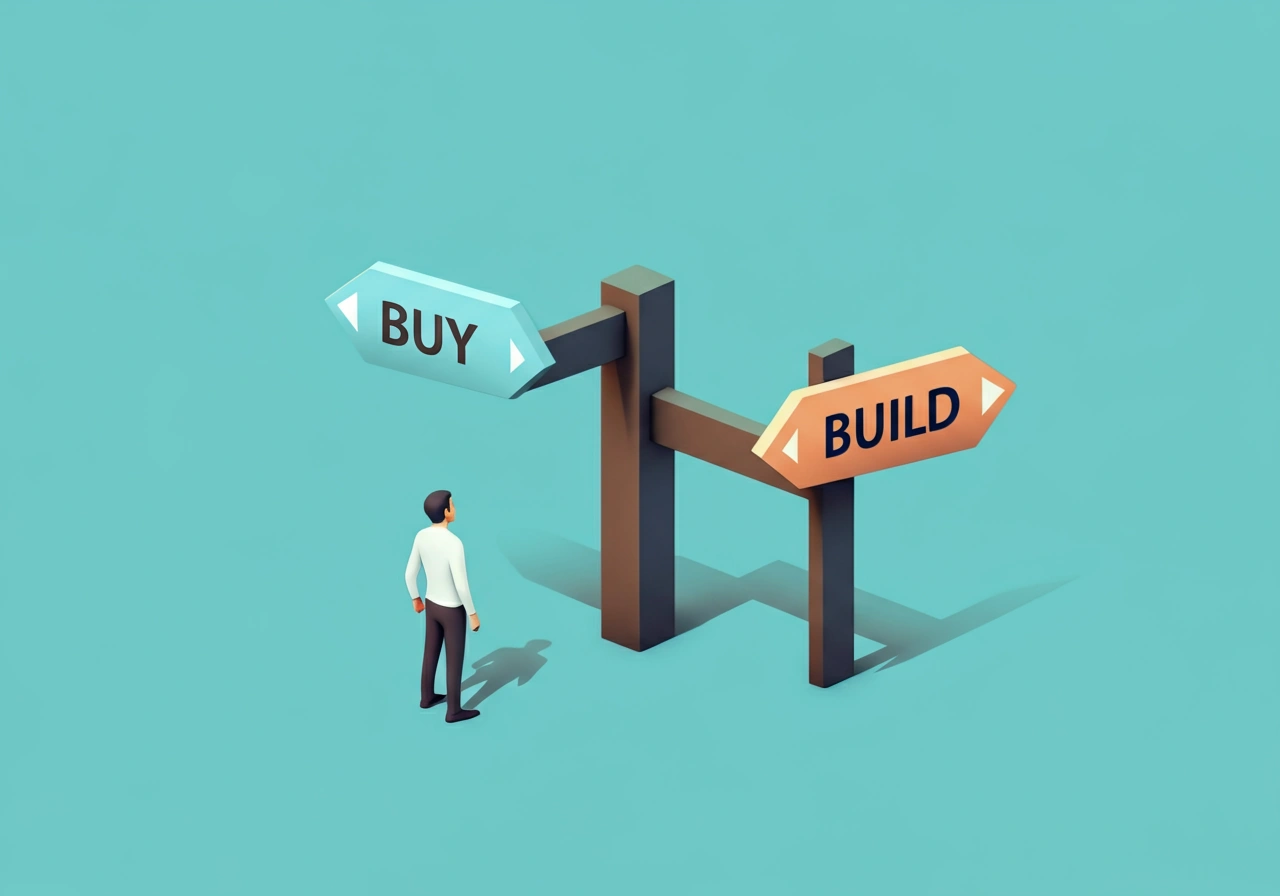
Deciding to become a business owner is a monumental step. For many aspiring entrepreneurs, the default path seems to be starting a company from the ground up—crafting a business plan, developing a product or service, and building a customer base one person at a time. While the allure of creating something entirely new is powerful, an alternative route offers a different set of advantages: buying an existing small business. This strategic choice can significantly reduce risk and accelerate the path to profitability.
Choosing to purchase an established enterprise provides a solid foundation that a startup simply cannot replicate overnight. You acquire not just assets, but a functioning ecosystem complete with customers, employees, suppliers, and a proven market presence. This article will explore the substantial benefits of buying a small business versus starting from scratch, examining how this approach can offer a more secure and immediate entry into the world of entrepreneurship.
The Advantage of an Established Foundation
Embarking on a new business venture is inherently risky. A significant number of startups fail within their first few years, often succumbing to cash flow problems, a lack of market demand, or operational inefficiencies. Buying a business mitigates many of these initial hurdles by providing a pre-built operational framework.
Immediate Cash Flow and Revenue
One of the most compelling reasons to buy a business is the access to immediate revenue. A startup begins at zero, often requiring months or even years of investment before turning a profit. During this initial period, founders must cover operating expenses, marketing costs, and salaries with their own capital or investor funding, creating immense financial pressure.
An existing business, by contrast, comes with active customers and ongoing sales. From day one, revenue is flowing into the company. This immediate cash flow provides financial stability, allowing you to cover expenses, pay yourself a salary, and reinvest in growth without the desperate scramble for initial sales. Financial institutions are also more willing to lend to an established business with a history of profitability than to a new venture with no track record.
A Proven Business Model and Concept
When you start from scratch, your business idea is an unproven hypothesis. You believe there is a market for your product or service, but you won’t know for sure until you invest significant time and money. Market research can help, but it’s no substitute for real-world results. The business may face unforeseen challenges, or the target audience may not respond as expected.
Purchasing an established company eliminates this fundamental uncertainty. The business has already demonstrated that its products or services are viable and that customers are willing to pay for them. Its pricing strategy, operational processes, and marketing channels have been tested and refined over time. You are acquiring a blueprint for success that has already weathered market fluctuations and competitive pressures. This allows you to focus on optimization and growth rather than basic validation. Exploring a platform like bizop can reveal numerous opportunities with validated models.
Leveraging Existing Assets and Relationships
Beyond the financial and conceptual advantages, buying a business means inheriting a rich portfolio of tangible and intangible assets. These components are difficult and expensive to build from the ground up.
An Instant Customer Base
Building a loyal customer base is one of the most challenging aspects of launching a new company. It requires extensive marketing efforts, brand-building campaigns, and a concerted effort to earn trust. This process can be slow and costly, with no guarantee of success.
When you acquire a business, you also acquire its customer list and the goodwill associated with its brand. These are people who are already familiar with the company’s offerings and have a history of making purchases. Your initial task is not to find customers, but to retain them and build upon existing relationships. You can analyze existing customer data to understand purchasing habits, identify opportunities for upselling, and develop targeted marketing campaigns to foster even greater loyalty.
Skilled Employees and Established Processes
A startup founder must go through the demanding process of recruiting, hiring, and training a team from scratch. Finding the right talent is a challenge, and molding individuals into a cohesive, productive unit takes time and strong leadership. Furthermore, you have to develop every single operational process, from inventory management and accounting to customer service protocols.
An established business comes with a trained workforce that understands the company’s operations, culture, and customers. This experienced team can provide invaluable continuity during the ownership transition. Their institutional knowledge ensures that daily operations continue smoothly, allowing you to focus on high-level strategy. Similarly, established workflows and systems are already in place, providing a functional structure you can refine and improve upon over time.
Established Supplier and Vendor Relationships
Securing reliable suppliers and negotiating favorable terms can be a major hurdle for a new business. Without a proven track record, vendors may be hesitant to offer credit or competitive pricing. This can lead to higher costs and potential disruptions in the supply chain.
An existing business has already forged these crucial relationships. You inherit a network of trusted suppliers, partners, and professional contacts who have a history with the company. These established connections often come with preferential terms, reliable service, and a level of trust that would take a new owner years to cultivate. This stability in the supply chain is a significant operational advantage that supports consistent service delivery and cost management.
Reducing Risk and Accelerating Growth
Ultimately, the decision to buy versus build often comes down to an entrepreneur’s tolerance for risk and desire for speed. While starting from scratch offers complete creative control, buying a business provides a more predictable and often faster path to success.
A Clearer Picture of Financial Performance
When you evaluate a business for purchase, you have access to its historical financial records. Balance sheets, income statements, and cash flow statements provide a transparent look at its past performance. This data allows you to make an informed decision based on concrete numbers, not just projections. You can analyze trends, identify areas of strength and weakness, and accurately forecast future profitability.
A startup, on the other hand, operates entirely on forecasts and assumptions. These financial projections are educated guesses at best and can be notoriously unreliable. The ability to base your investment on a proven financial history dramatically de-risks the entire venture.
Focusing on Improvement, Not Creation
The founder of a startup is a creator, responsible for building every facet of the business from the ground up. The buyer of a business is an optimizer, tasked with taking something that already works and making it better. This shift in focus can be a significant advantage.
Instead of spending your energy on basic setup and survival, you can direct your efforts toward strategic growth initiatives. You might identify opportunities to introduce new products, expand into new markets, improve marketing effectiveness, or enhance operational efficiency. With the core business already stable, you have the breathing room and resources to innovate and scale the company to new heights.
Conclusion: A Strategic Path to Ownership
The dream of entrepreneurship does not have to begin with a blank page. While building a business from scratch is a noble and rewarding endeavor, it is also a path fraught with uncertainty and risk. For many, buying an existing small business represents a more pragmatic and strategic approach to achieving their goals.
By acquiring a company with a proven business model, immediate cash flow, and an established network of customers and suppliers, you step onto a platform built for success. The groundwork has been laid, allowing you to bypass the precarious early stages of a startup and focus your energy on refinement, optimization, and growth. This approach not only enhances your chances of long-term success but also accelerates your journey to becoming a profitable and impactful business owner.
