
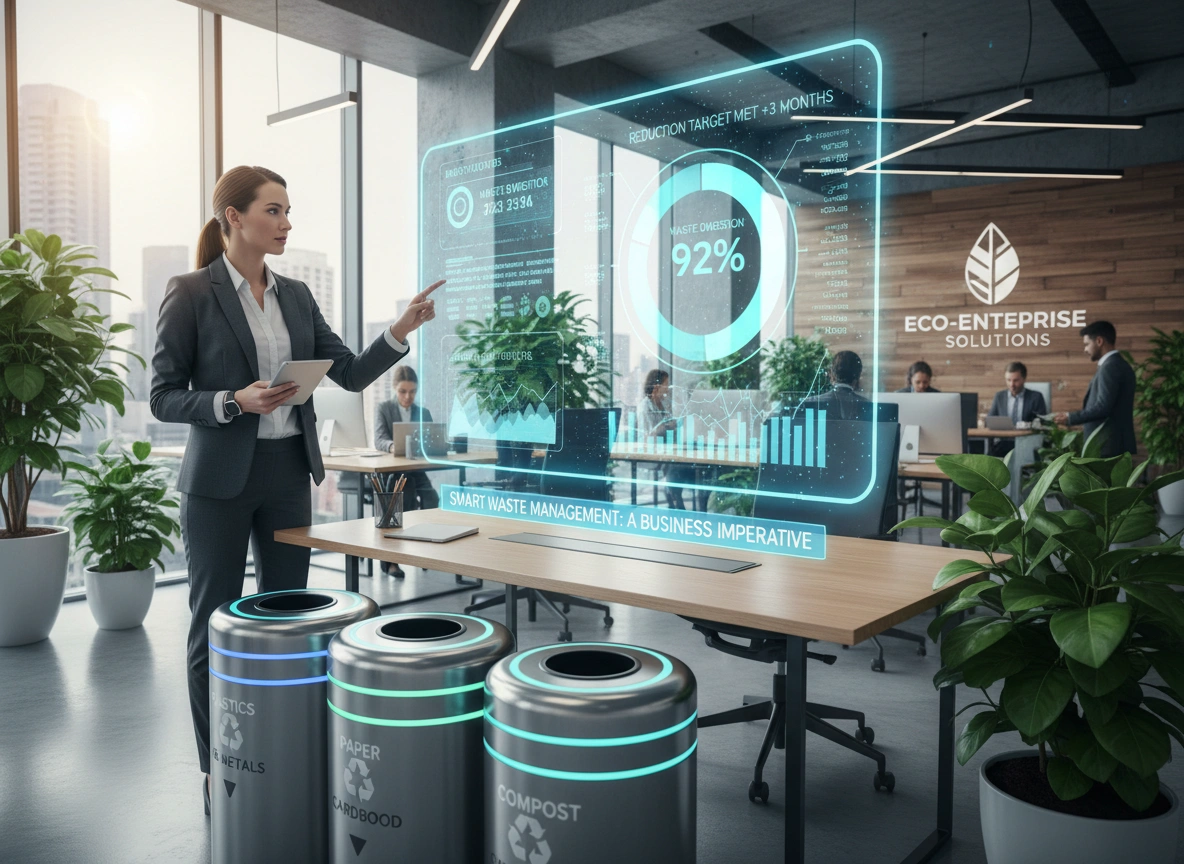
How Compacting and Baling Recyclables Can Cut Costs and Reclaim Floor Space
For many UK businesses, waste balers and compactors have become indispensable tools for
reducing overheads, improving site efficiency, and meeting increasingly stringent recycling
legislation. Whether you operate a busy retail warehouse, a hotel kitchen, a manufacturing
plant, or a logistics hub, the volume of recyclable material generated each day — cardboard,
plastic, polystyrene, cans — represents both a logistical challenge and an untapped opportunity.
The principle behind balers and compactors is straightforward: instead of allowing waste
materials to pile up in skips or storage areas, they are mechanically compressed into dense,
manageable bales or compacted units. This volume reduction — often between 85 and 90
percent — dramatically cuts the number of waste collections required, reduces skip hire costs,
and in many cases allows businesses to sell compacted bales back to recyclers for additional
revenue.
Matching the Right Equipment to Your Waste Stream
Not all waste compaction equipment is the same, and choosing the right machine for your
specific waste stream is essential to getting genuine value from the investment. Cardboard
Balers, such as the ones from mil-tek balers are among the most widely used across retail, e-commerce, and distribution
environments, where large quantities of packaging material accumulate daily. A vertical baler is
well suited to businesses with moderate volumes and limited floor space, while a horizontal
baler is better suited to high-throughput operations where continuous feeding is required.
Plastic balers follow a similar logic, designed to handle everything from soft film packaging to
rigid containers. Polystyrene compactors address one of the bulkiest and most awkward waste
materials found in electronics retail, logistics, and manufacturing — EPS foam that takes up
enormous space in its raw form but compresses at ratios of up to 40:1 when processed
correctly.
For operations dealing with cans, glass, or mixed waste streams, purpose-built crushers and
compactors are available to handle each material safely and efficiently. The key is auditing what
your business actually produces before committing to any particular machine.
The Regulatory Landscape Is Changing
Businesses operating in England and Wales should be aware that waste management
obligations are evolving. Simpler Recycling legislation in England and the Workplace Recycling
Law in Wales now place greater responsibility on organisations to separate and manage
recyclable materials correctly. Failure to comply can result in penalties, and the reputational cost
of being seen as environmentally negligent is increasingly significant in the eyes of customers,
partners, and prospective employees.
Rent Before You Commit
For businesses uncertain about the return on investment, renting waste baling or compaction
equipment is a sensible starting point. Fully maintained rental agreements remove the burden of
servicing and repair, making it easier to trial equipment in a live operational setting before
making a long-term purchasing decision. Many providers also offer free site surveys and
equipment trials to help businesses identify the most appropriate solution for their specific
needs.
The bottom line is that waste, managed well, stops being a cost centre and starts becoming part
of a leaner, more profitable operation.
