
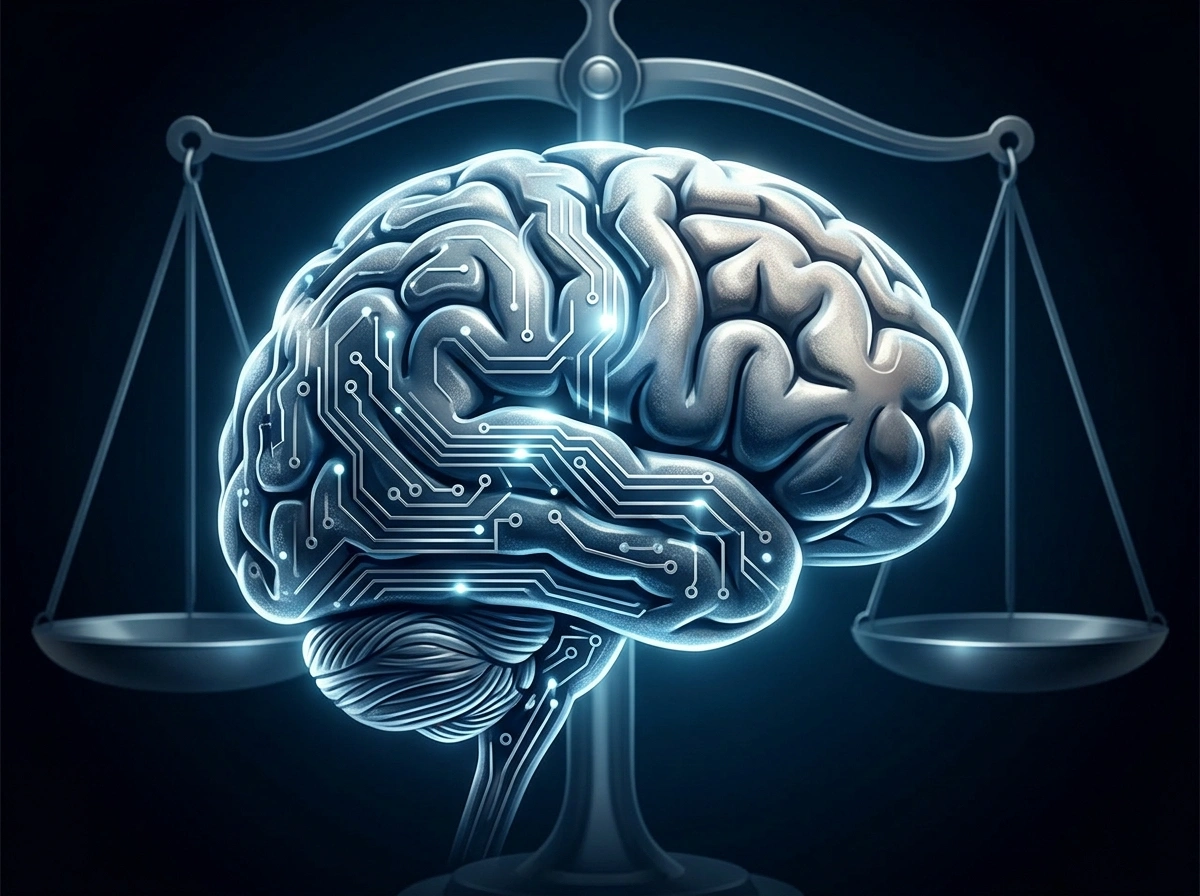
Artificial intelligence has moved from science fiction into our daily routines. It recommends what we watch, screens job applications, approves loans, and even helps doctors spot diseases. As AI grows more powerful, the questions it raises stop being purely technical. They become moral. Who gets held responsible when an algorithm makes a harmful choice? Can a machine truly be fair? And who decides what “fair” even means?
These are not questions for engineers alone. They belong to all of us. Below, we walk through the biggest ethical challenges AI presents and why they deserve your attention right now.
Why AI Ethics Matters More Than Ever
Every technology carries consequences, but AI is different. It learns, adapts, and makes decisions at a scale no human could match. A single flawed model can affect millions of people in seconds. That reach makes small ethical missteps into massive problems.
The stakes are real. Automated systems already shape who gets hired, who receives medical care, and who gets flagged by law enforcement. When these systems get things wrong, the harm falls on actual human beings. Understanding the ethics behind AI is no longer optional. It is a basic part of being an informed citizen in a connected world.
Bias and Fairness: Can Machines Be Truly Neutral?
Many people assume computers are objective. After all, they run on math. But AI systems learn from data, and data comes from humans. If the training data reflects historical discrimination, the model will absorb and repeat those patterns.
Consider a hiring tool trained on decades of company records. If that company mostly hired men for leadership roles, the AI may quietly learn to favor male candidates. It does not intend to discriminate. It simply mirrors the bias baked into its data.
The Fairness Problem Has No Simple Answer
Even defining fairness is tricky. Should an algorithm treat everyone identically, or should it account for existing disadvantages? Different definitions can directly contradict each other. A loan model tuned for one type of fairness may fail another.
This is why diverse teams and careful testing matter so much. We need people from many backgrounds asking hard questions before these systems go live, not after the damage is done.
Data Privacy: Who Owns Your Information?
AI runs on data, and much of that data is deeply personal. Your search history, location, purchases, and even your face can feed the models shaping your online experience. This raises an uncomfortable question: how much of yourself are you giving away?
Often, people share data without fully understanding where it goes. Terms of service are long and vague. Meanwhile, companies build detailed profiles that predict behavior with startling accuracy.
Strong privacy practices should be the standard, not the exception. That means clear consent, real control over your data, and limits on how long information gets stored. Resources like tech-hence.com explore how emerging tools can protect users while still allowing innovation to thrive.
Accountability: Who Takes the Blame When AI Fails?
Imagine a self-driving car causes an accident. Who is responsible? The car owner? The manufacturer? The engineers who wrote the code? Or the AI itself?
This question sits at the heart of AI ethics. Traditional legal systems assume a human is behind every decision. But AI blurs that line. When a system makes thousands of automatic choices, tracing fault becomes complicated.
Without clear accountability, victims of AI errors may have no path to justice. Companies could hide behind the excuse that “the algorithm did it.” That is why experts push for frameworks that assign clear responsibility to the humans and organizations who build and deploy these tools.
Transparency: Should We Understand How AI Thinks?
Many advanced AI models work like black boxes. They produce answers, but even their creators cannot always explain how they reached them. This lack of transparency is a serious concern.
If a bank denies your mortgage based on an AI decision, you deserve to know why. If a medical AI recommends a treatment, doctors need to understand the reasoning. Blind trust in a system nobody can explain is dangerous.
The Push for Explainable AI
A growing field called explainable AI aims to open up these black boxes. The goal is simple but vital: build systems that can show their work. When people understand how a decision was made, they can challenge it, correct it, and trust it more.
Transparency also builds public confidence. People are far more likely to accept AI in sensitive areas like healthcare and justice when they can see the logic behind it.
Job Displacement: What Happens to Human Work?
Automation has always changed the workforce, but AI accelerates the pace. Tasks once thought safe from machines, like writing, design, and analysis, are now within reach of AI tools.
This creates genuine anxiety. Will AI replace millions of jobs? The honest answer is complicated. Some roles will disappear, others will transform, and entirely new ones will emerge. History suggests technology tends to shift work rather than erase it completely.
Still, the transition can be painful for real people. Ethical AI development means thinking about the workers affected. That includes investing in retraining, supporting displaced employees, and ensuring the benefits of automation are shared broadly rather than hoarded by a few.
Autonomous Decision-Making: How Much Control Should We Give?
Some AI systems now make decisions with little or no human input. In finance, algorithms trade stocks in milliseconds. In warfare, autonomous weapons could one day choose targets without a person pulling the trigger.
This raises a profound ethical line. There are certain decisions that many believe should never be handed to a machine. Choices involving human life, freedom, and dignity carry moral weight that code cannot fully grasp.
The principle of keeping a “human in the loop” has gained strong support. It means that for high-stakes decisions, a person must review and approve the outcome. This safeguard helps prevent catastrophic errors and preserves human judgment where it matters most.
The Future of AI Governance
Who should set the rules for AI? Governments, companies, and international bodies are all racing to answer this. Some regions have passed detailed regulations. Others take a lighter touch, worried that strict rules might slow innovation.
Good governance strikes a balance. It protects people from harm without smothering progress. That requires cooperation across borders, since AI does not respect national boundaries. A model built in one country can affect users everywhere.
Building Rules We Can Trust
Effective AI governance should rest on a few core ideas: safety, fairness, transparency, and accountability. It should involve many voices, not just tech companies with a financial stake. Ethicists, community leaders, and everyday users all deserve a seat at the table.
The rules we write today will shape how AI serves humanity for decades. Getting them right is one of the most important tasks of our time.
Asking the Right Questions
There are no easy answers to the ethics of AI. But asking thoughtful questions is where progress begins. Every time we deploy a new system, we should pause and consider its impact. Is it fair? Is it transparent? Who could it harm, and who benefits?
AI holds enormous promise. It can cure diseases, fight climate change, and expand human knowledge in ways we can barely imagine. Yet that promise only holds if we build these tools with care, wisdom, and a firm commitment to human values.
The technology itself is neutral. What matters is how we choose to use it. By staying curious, staying informed, and demanding accountability, we can help ensure AI grows into a force that lifts everyone up rather than leaving people behind. The conversation starts with you, and the questions you choose to ask today will shape the world we all share tomorrow.
