
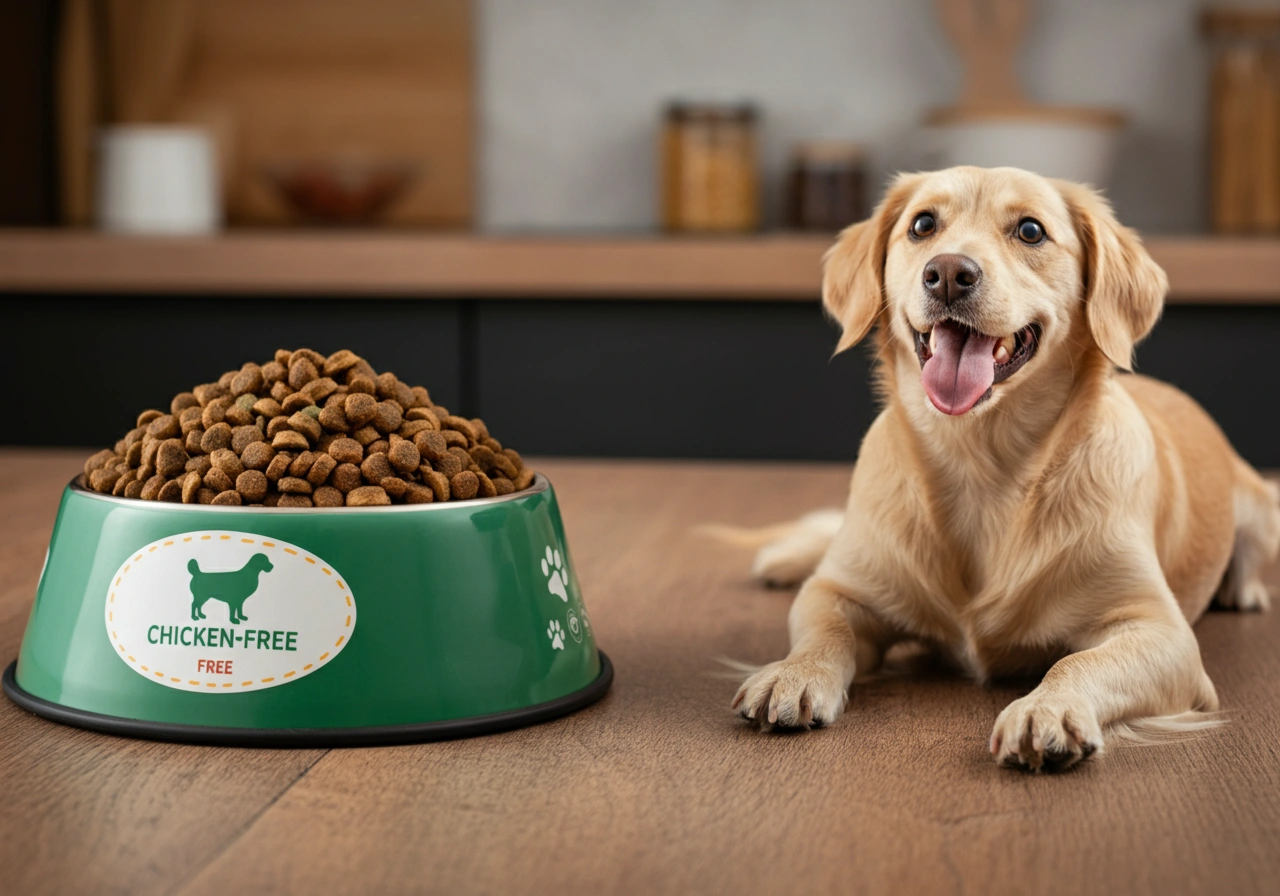
Choosing the right food for your dog is one of the most important decisions you’ll make as a pet owner. A balanced diet is the cornerstone of good health, vitality, and longevity. However, for some dogs, common ingredients found in many commercial dog foods can lead to uncomfortable and even painful reactions. Food intolerances and allergies are increasingly common, with chicken being one of the primary culprits. This article explores why chicken-free dog food can be an excellent solution for dogs with dietary sensitivities, helping them live happier, healthier lives.
Understanding Food Intolerance in Dogs
It’s important to distinguish between a food allergy and a food intolerance. A food allergy involves an immune system response, where the body mistakenly identifies a specific protein as a harmful invader. This can trigger a range of symptoms, from skin issues to severe anaphylactic shock. A food intolerance, on the other hand, is a digestive issue. It occurs when a dog’s system has difficulty breaking down a particular ingredient, leading to gastrointestinal distress without involving the immune system.
While the mechanisms differ, the symptoms can often overlap, making diagnosis tricky without veterinary guidance.
Common Signs of Food Intolerance
If your dog is struggling with an ingredient in their food, they might display one or more of the following symptoms:
- Gastrointestinal Issues: This is the most common sign. Look for chronic gas, bloating, diarrhea, or vomiting. These symptoms indicate that the digestive system is struggling to process the food correctly.
- Skin Problems: Food sensitivities are a leading cause of non-seasonal itching. Your dog might excessively scratch, lick their paws, or rub their face. This can lead to hair loss, inflamed skin, hot spots, and recurrent ear infections.
- Low Energy Levels: A dog that doesn’t feel well is often lethargic. If your once-playful pup seems tired and uninterested in activities, their diet could be the cause.
- Poor Coat Quality: A dull, brittle coat or excessive shedding can be a sign that your dog isn’t absorbing the necessary nutrients from their food due to an intolerance.
Chicken, along with beef, dairy, and wheat, is one of the most frequently identified triggers for these adverse food reactions in dogs. Its widespread use in pet food formulas for decades means many dogs have had prolonged exposure, increasing the likelihood of developing a sensitivity.
The Benefits of a Chicken-Free Diet
Switching to a chicken-free diet can offer significant relief and numerous benefits for a sensitive dog. By eliminating the trigger ingredient, you allow their system to heal and function properly.
1. Improved Digestion and Gut Health
The most immediate benefit of removing an offending ingredient is digestive relief. For a dog with a chicken intolerance, a chicken-free diet means no more struggling to break down the protein. This leads to a reduction in gas, bloating, and diarrhea. A healthy gut is essential for nutrient absorption, so improved digestion ensures your dog gets the full nutritional value from their meals.
2. Healthier Skin and a Shinier Coat
Chronic itching and skin inflammation are miserable for a dog. Removing chicken from the diet can stop the reaction at its source. Within a few weeks, you may notice a dramatic decrease in scratching and licking. As the skin heals, you’ll see inflammation subside, hot spots clear up, and hair begin to grow back. A balanced, chicken-free diet rich in Omega-3 and Omega-6 fatty acids will further support skin health, leading to a soft, shiny coat.
3. Increased Energy and Vitality
When a dog’s body is constantly fighting inflammation or digestive upset, it drains their energy reserves. By providing food that their system can easily handle, you free up that energy. Owners often report that their dogs become more playful, energetic, and engaged after switching to a suitable diet. This renewed vigor is a clear sign that your dog is feeling much better.
4. Exploring Novel Proteins
Chicken-free dog foods often utilize alternative or “novel” protein sources. These are proteins that your dog has likely not been exposed to before, reducing the risk of an adverse reaction. Excellent novel protein options include:
- Fish: Salmon, herring, and whitefish are rich in anti-inflammatory omega fatty acids.
- Lamb: A classic alternative that is gentle on the stomach.
- Duck: A tasty and highly digestible poultry option.
- Venison or Rabbit: Lean, protein-rich meats that are great for sensitive dogs.
Rotating between different novel proteins can also help prevent new sensitivities from developing in the future.
How to Choose the Best Chicken-Free Dog Food
Transitioning to a new food requires careful consideration. The market is filled with options, so knowing what to look for is key to making the best choice for your dog.
Read the Ingredient List Carefully
Labels can be misleading. A food marketed as “Lamb Formula” might still contain chicken fat or chicken broth for flavor. It is crucial to read the entire ingredient list to ensure the product is completely free of chicken. Look for hidden sources like “poultry fat” (which could include chicken) or “hydrolyzed poultry protein.” Opt for foods with a clearly defined single protein source.
Focus on High-Quality Ingredients
The absence of chicken is just one part of the equation. The overall quality of the food is paramount. Look for formulas where a named meat source (like “deboned lamb” or “salmon”) is the first ingredient. Avoid foods that list generic “meat meal” or by-products in the top ingredients. Whole grains, vegetables, and fruits provide essential vitamins, minerals, and fiber.
Consider a Limited Ingredient Diet (LID)
For dogs with significant sensitivities, a Limited Ingredient Diet can be a game-changer. These formulas are made with a single source of animal protein and a minimal number of carbohydrate sources. This simple composition makes it much easier to identify and avoid trigger ingredients, reducing the chances of a reaction.
Consult Your Veterinarian
Before making any major dietary changes, always consult your veterinarian. They can help confirm if a food intolerance is the likely cause of your dog’s symptoms and rule out other medical issues. Your vet can also provide guidance on conducting a proper elimination diet to pinpoint the exact trigger ingredient and recommend reputable brands that meet your dog’s specific nutritional needs.
Finding the right Hundefor på net can feel overwhelming, but dedicated brands offer specialized formulas designed for sensitivities.
The Transition Process: A Slow and Steady Approach
Once you’ve selected a new chicken-free food, it’s vital to transition your dog slowly. An abrupt change can cause digestive upset, even if the new food is better for them in the long run. Follow this general guideline over 7-10 days:
- Days 1-3: 75% old food, 25% new food.
- Days 4-6: 50% old food, 50% new food.
- Days 7-9: 25% old food, 75% new food.
- Day 10: 100% new food.
Monitor your dog closely during this period for any signs of digestive distress. If you notice any issues, slow down the transition even further.
A chicken intolerance doesn’t have to diminish your dog’s quality of life. By understanding the signs and making an informed switch to a high-quality, chicken-free diet, you can provide immense relief. An appropriate diet can resolve chronic discomfort, restore energy, and give your dog the foundation for a long, happy, and healthy life.
