

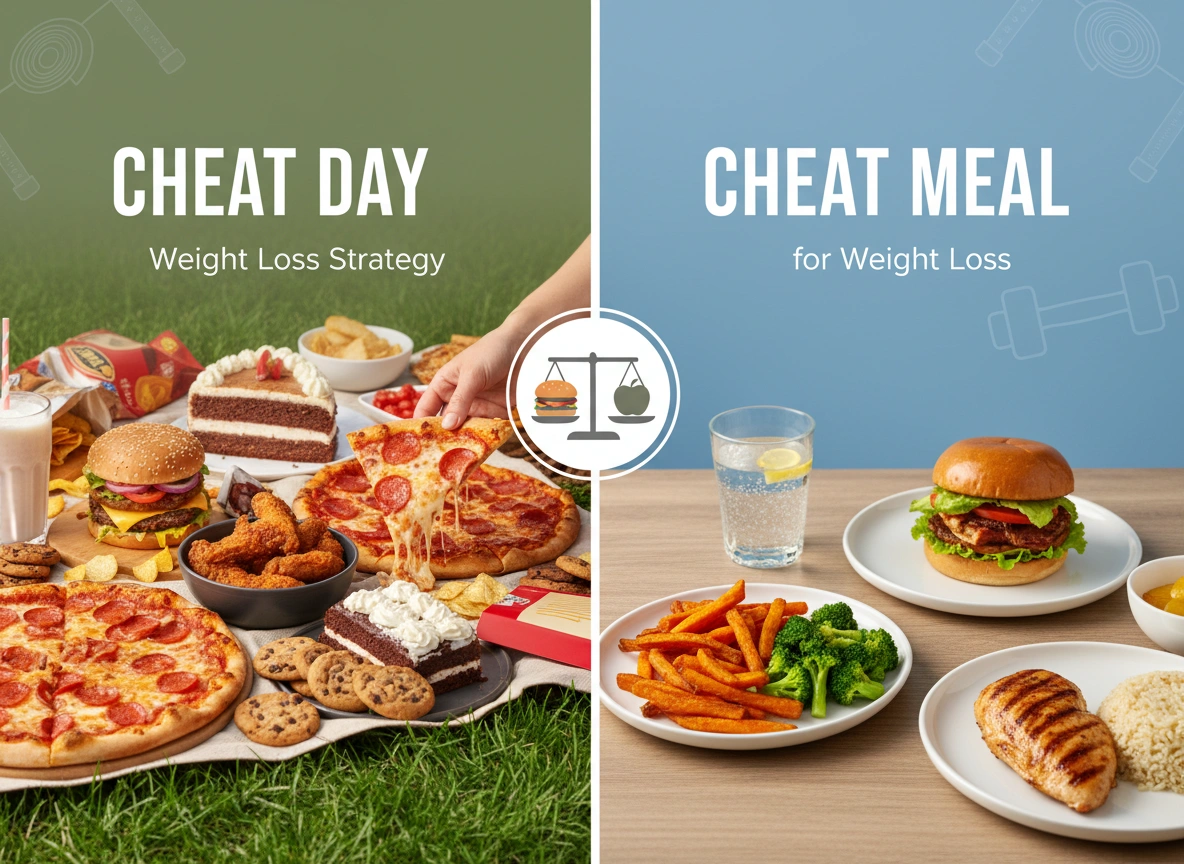
The path to weight loss is often paved with discipline, structured eating, and consistent exercise. However, many find that incorporating planned breaks from a strict diet can make the journey more sustainable. This has given rise to the concepts of “cheat meals” and “cheat days.” But which approach is more effective for shedding pounds without derailing your progress?
This article will explore the differences between cheat meals and cheat days, examining their psychological and physiological effects. We will delve into the science behind these strategies and offer practical advice to help you decide which, if either, is right for your weight loss goals.
Defining the Terms: Meal vs. Day
Before comparing them, it’s important to understand what distinguishes a cheat meal from a cheat day. While both involve a temporary departure from your diet, their scope and potential impact differ significantly.
What Is a Cheat Meal?
A cheat meal is a single, planned meal where you allow yourself to eat foods that are not typically part of your diet plan. For example, if you follow a low-carbohydrate, calorie-controlled diet, a cheat meal might be a plate of pasta, a burger with fries, or a few slices of pizza. The key here is that it is one meal, after which you immediately return to your regular dietary routine.
What Is a Cheat Day?
A cheat day, on the other hand, extends this freedom to an entire day. From morning until night, you are free to eat whatever you desire, without tracking calories, macros, or food types. This could mean starting with pancakes for breakfast, having a large sandwich for lunch, and finishing with a takeout dinner and dessert. It represents a full 24-hour break from your diet.
The Psychological Impact of Cheating
The mental side of dieting is often the most challenging aspect. Both cheat meals and cheat days can offer a psychological reprieve, but they affect our mindset in different ways.
The Benefits of a Mental Break
For many, knowing a planned indulgence is on the horizon can increase adherence to a diet during the week. It provides something to look forward to, making the daily routine of salads and lean proteins feel less restrictive. This scheduled break can prevent feelings of deprivation that often lead to uncontrolled binging.
A cheat meal can act as a reward for a week of hard work and discipline. This positive reinforcement can strengthen your commitment to your long-term goals. It helps reframe the diet from a punishment to a structured plan with built-in flexibility.
The Potential Psychological Downsides
While beneficial for some, these strategies can be problematic for others. A cheat day can sometimes spiral into a “cheat weekend” or even a “cheat week.” The all-or-nothing mentality of a full day of unrestricted eating can make it difficult to get back on track. For some individuals, it can trigger guilt, shame, and a cycle of binge eating followed by extreme restriction.
A cheat meal is generally easier to manage psychologically. Because it’s a single event, it’s less likely to disrupt your routine completely. However, even a cheat meal can foster an unhealthy relationship with food if it’s viewed as “bad” or “dirty.” This can create a narrative where you are either “good” for sticking to your diet or “bad” for indulging, which is not conducive to a healthy, long-term mindset.
The Physiological Effects on Your Body
Beyond the mental game, cheat meals and cheat days have distinct physiological consequences that can either support or sabotage your weight loss efforts.
Hormonal Responses and Metabolism
One of the primary arguments in favor of cheat meals is their potential to positively influence hormones that regulate metabolism and appetite, particularly leptin. Leptin, often called the “satiety hormone,” tells your brain when you are full. During prolonged calorie restriction, leptin levels can drop, slowing your metabolism and increasing your hunger.
A strategic, high-carbohydrate cheat meal can temporarily boost leptin levels. This surge can signal to your body that it is not starving, potentially leading to a short-term increase in metabolic rate. This can help break through weight loss plateaus. However, it’s important to note that a single meal has a limited effect. Consistent, long-term calorie deficits will always have the most significant impact on leptin.
A full cheat day can cause a more substantial spike in insulin and replenish glycogen stores (the stored form of carbohydrates in your muscles and liver). For athletes or those who engage in intense training, this can be beneficial for performance and recovery.
The Caloric Overload Problem
The most significant risk, especially with cheat days, is the massive influx of calories. It is surprisingly easy to consume an entire week’s worth of a caloric deficit in a single day of unrestricted eating. A large pizza, a pint of ice cream, and a few sugary drinks can easily add up to 4,000-5,000 calories or more. This can completely negate the progress you made during the week.
A cheat meal is far more controlled. While a restaurant meal can be high in calories, it’s unlikely to undo six days of disciplined eating. For example, if you maintain a 500-calorie deficit for six days (3,000 calories total), a 1,500-calorie cheat meal still leaves you with a net deficit of 1,500 calories for the week. A 5,000-calorie cheat day, however, would put you in a caloric surplus, leading to weight gain.
Cheat Meal vs. Cheat Day: Which Is Better?
When weighing the pros and cons, the cheat meal generally emerges as the safer and more effective strategy for most people on a weight loss journey.
Why a Cheat Meal Is Often Superior
- Damage Control: It’s much harder to undo a week’s progress with one meal than with one day of eating. The caloric impact is manageable.
- Psychological Stability: A cheat meal provides a mental break without completely derailing your routine. It’s easier to get back on track after one indulgent meal.
- Reduced Guilt: Because it’s a more moderate indulgence, a cheat meal is less likely to trigger the intense guilt and shame that can accompany a full-day binge.
- Sustainable Habit Formation: Incorporating planned, single cheat meals teaches moderation and flexibility, which are crucial skills for long-term weight management.
When a Cheat Day Might Be Considered
A cheat day is a high-risk, high-reward strategy that is not suitable for everyone. It might be appropriate for:
- Experienced Dieters: Individuals with a strong sense of discipline and the ability to immediately return to their diet without lingering cravings.
- Performance Athletes: Those who need to replenish glycogen stores for intense physical activity.
- People on Very Long-Term Diets: Someone who has been in a calorie deficit for many months might use a full day to reset psychologically and hormonally, but this should be done with extreme caution.
How to Implement a Cheat Strategy Successfully
If you decide to incorporate cheat meals, a structured approach is key. This isn’t about uncontrolled binging; it’s about planned indulgence.
- Plan Ahead: Decide which meal of the week will be your cheat meal. Spontaneity can lead to poor choices and overconsumption. Planning helps you stay in control.
- Don’t Call It “Cheating”: Reframe the concept. Think of it as a “treat meal” or a “flexible meal.” This removes the negative connotation and fosters a healthier relationship with food.
- Enjoy It Mindfully: Sit down and savor your meal. Eat slowly and pay attention to the tastes and textures. This increases satisfaction and reduces the likelihood of overeating.
- Listen to Your Body: Don’t feel obligated to finish everything on your plate. Eat until you are satisfied, not stuffed.
- Get Right Back on Track: Your next meal should be right back on your regular diet plan. Don’t let one meal bleed into the next.
Conclusion: A Tool, Not a Crutch
Ultimately, both cheat meals and cheat days are tools that can be used within a weight loss plan. For the vast majority of people, the cheat meal is the more practical, sustainable, and effective option. It provides the psychological benefits of a dietary break with a much lower risk of sabotaging your progress.
A cheat day, with its potential for massive caloric overload and psychological disruption, should be approached with extreme caution, if at all. It is better suited for seasoned athletes or individuals with a very strong handle on their eating habits.
The most successful weight loss journeys are not about perfection, but consistency. A planned cheat meal can be a valuable part of that consistent effort, helping you stay motivated and on track for the long haul. It teaches the vital lesson of balance, proving that you can enjoy the foods you love without giving up on your health and fitness goals.Please visit website for more info.
You may also read: The Four Noble Truths of Buddhism: A Path to Inner Peace
